
Why Surgical Complication Cases Require Detailed Investigation
Wrongful death cases involving surgical complications are among the most complex medical-legal matters in Hawaii. These cases often involve multiple providers, overlapping responsibilities, and rapidly changing clinical conditions. Understanding what happened during surgery and the post-operative period requires careful reconstruction of events.
Families are often left with unanswered questions, particularly when a loved one’s condition worsens unexpectedly after a procedure that was expected to improve their health.
Key Medical Evidence in Surgical Wrongful Death Cases
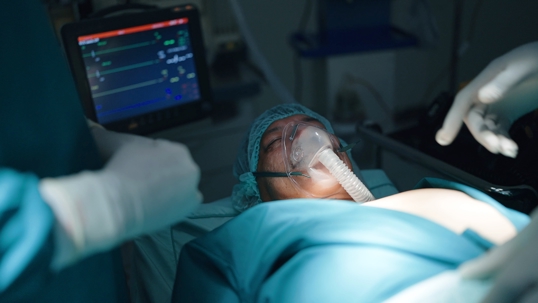
One of the most important forms of evidence in these cases is the complete medical record, including surgical notes, anesthesia records, nursing logs, and post-operative monitoring charts. These documents help establish a timeline of care and may reveal whether complications were recognized and appropriately managed.
Imaging studies, laboratory results, and pathology reports can also provide critical insight into whether warning signs were present before the patient’s condition declined.
The Role of Communication and Hospital Protocols
In many surgical complications, communication among surgical teams, anesthesiologists, nurses, and intensive care staff plays a significant role. Breakdowns in communication can lead to delays in treatment or failure to respond to signs of distress.
Hospital protocols and internal guidelines are also important evidence. These standards help determine what should have been done under similar circumstances and whether the care provided met accepted medical expectations.
Expert Medical Review and Causation Analysis
Medical expert testimony is often necessary to interpret surgical records and determine whether the outcome was preventable. Experts can evaluate whether complications were managed appropriately and whether earlier intervention could have changed the outcome.
Causation is a central issue in wrongful death cases. It must be shown not only that something went wrong, but that the surgical care contributed to the death in a meaningful way.
Hawaii Wrongful Death Attorneys
Timely preservation of evidence is critical. Hospitals may retain records for a limited time, and electronic systems can be updated or modified over time. Families benefit from early legal review to ensure that all relevant documentation is secured.
To discuss a potential wrongful death claim involving surgical complications, contact Davis Levin Livingston at (808) 740-0633.